Articles about Glint and Glare

Shiny buildings Glass façades on building developments are a common sight all over the world, particularly in cities. Whilst this is aesthetically popular, it can introduce planning hurdles around glint [...]

Background The Civil Aviation Authority (SACAA) in South Africa requires that solar project applications have a Glint and Glare Impact Assessment Report. The requirement is that all new applications should [...]

Background Solar Convergence occurs when multiple reflective glass panels simultaneously reflect the sun to one point with an intensity greater than that of direct sunlight. In July 2017 the City [...]
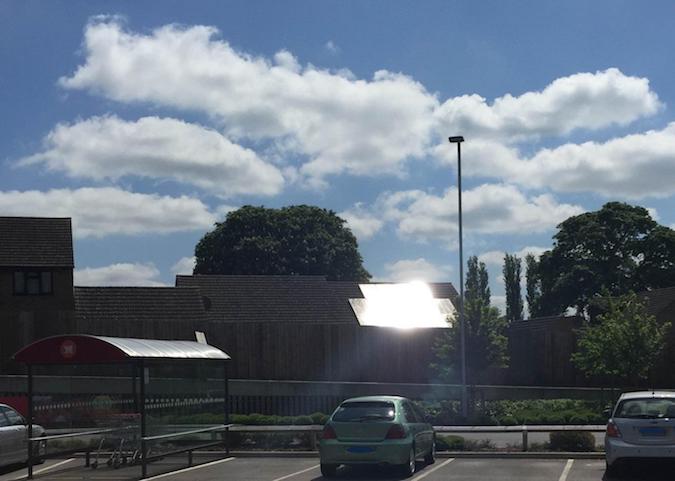
Yes they do. Strong (Photovoltaic) PV glare may be caused by reflections from a low sun. Whilst panels are designed to efficiently absorb direct and diffuse light they are often [...]
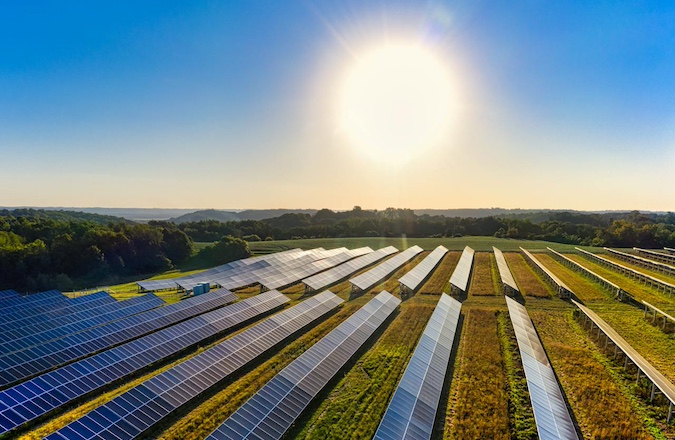
Requirements for glare intensity modelling Glare intensity modelling is a common planning requirement for solar photovoltaic developments. Increasingly, it is becoming a requirement for other development types as well, for [...]

Overview Pager Power recently conducted a consultation process with Network Rail to better understand their assessment requirements when it comes to glint, glare and their operations. The following article presents [...]
SGHAT (Solar Glare Hazard Analysis Tool) is no longer freely available – as of November 2017. SGHAT is used for predicting solar panel glare, also referred to as PV glare, [...]

Background Large Solar PV developments cause direct solar reflections which can affect aircraft, trains, road vehicles and residential amenity. Pager Power has undertaken over 250 glint and glare assessments which [...]
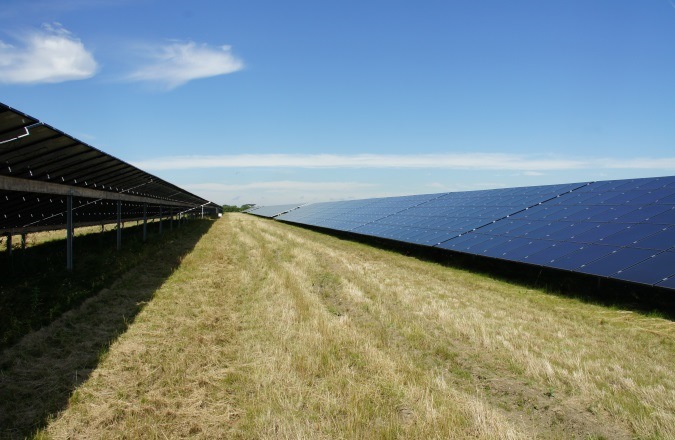
Assessing glint and glare for ground level receptors including roads users and residents is almost always required for new solar developments within the UK that require planning permission. With respect [...]