Articles about Glint and Glare

You may remember briefly learning about refraction in physics at school – light moves more slowly in denser materials and therefore light appears to bend when it moves through glass [...]
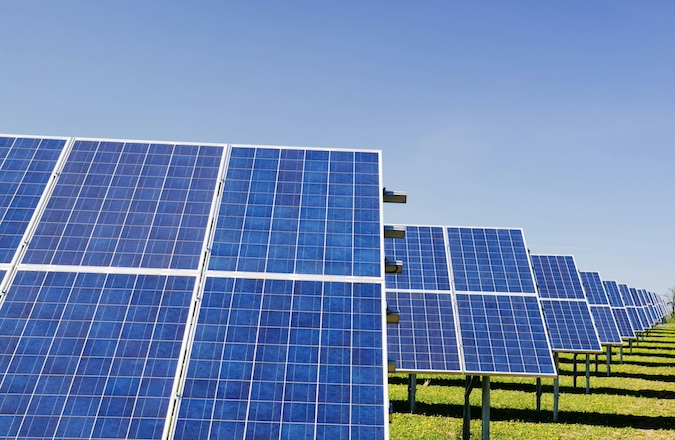
Glint and glare assessments require undertaking modelling to determine the locations and times at which solar reflections are geometrically possible. In this article, we explain what the technical requirements are [...]
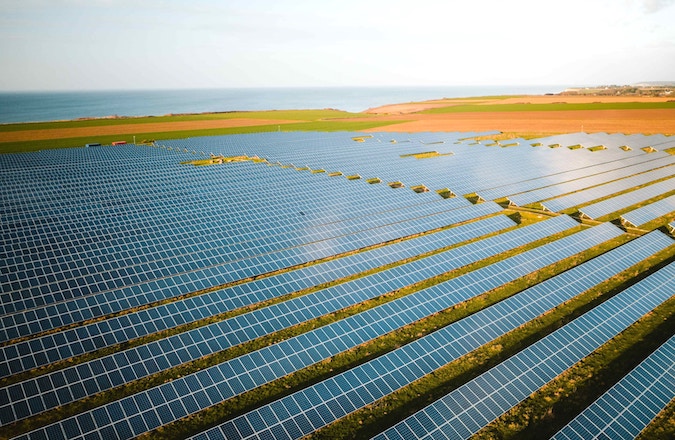
Developers of solar photovoltaic projects within the UK and internationally will be familiar with the potential constraints posed by solar glint and glare. The issue is also prevalent in other [...]
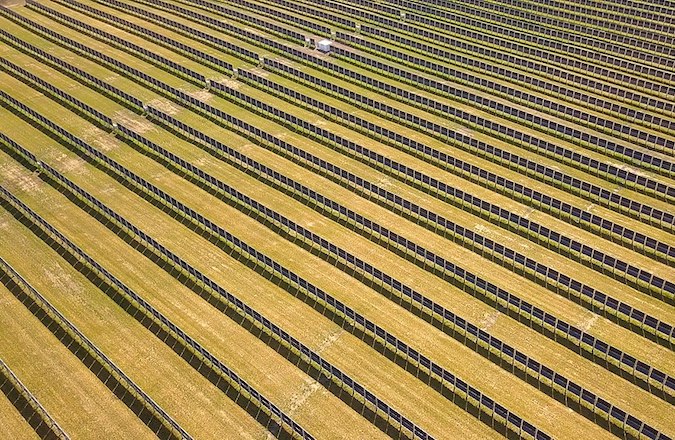
Pager Power has recently undertaken a comparison of glare guidance used in Germany and Pager Power’s own glint and glare guidance, used in the UK. Figure 1: Agrivoltaics solar plant, [...]

Introduction Pager Power has been a leading provider of glint and glare analysis relating to solar developments for over a decade. As a comparatively new concern, the guidance around this [...]

The South African Civil Aviation Authority (SACAA) has issued an update to the list of circumstances in which a Glint and Glare assessment must be carried out for proposed solar [...]

Every location on land has an altitude above (or, in some rare cases, below) sea level. Most people have better things to do with their day than to ponder what [...]
Overview The visual circuit is a specified path in which an aircraft flies visually in the airspace around an aerodrome. These are utilised at aerodromes all across the UK and [...]

Overview The Federal Aviation Administration (FAA) recently announced a final policy to replace their interim glint and glare guidance. The update states the FAA’s final stance on how solar photovoltaic [...]
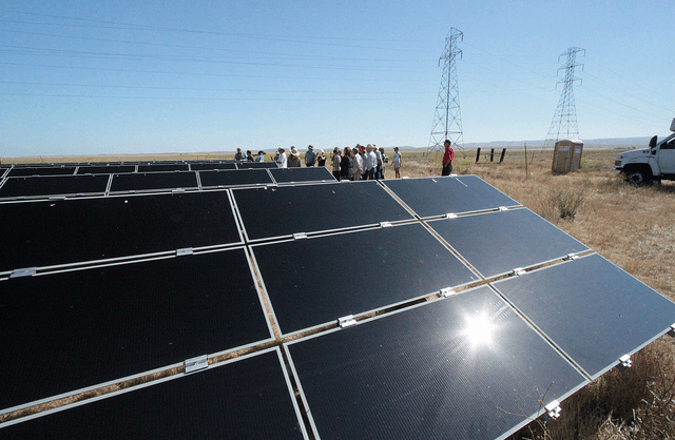
Overview Solar Panel Glare occurs even though it is not expected because solar panels are designed to absorb sunlight, rather than reflect it. Solar Panel Glare is greater than expected [...]