Articles about Glint and Glare

Glint and glare is an important planning consideration when reflections from developments could potentially impact the surrounding environment. However, it can be challenging to determine whether glint and glare should [...]
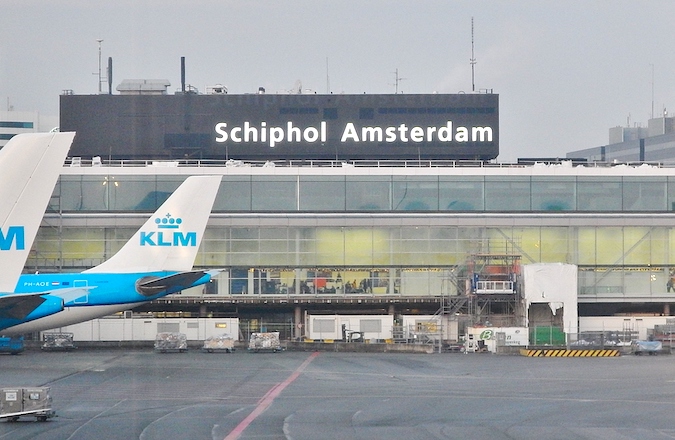
Schiphol Airport in Amsterdam is one of the world’s busiest airports [1]. It has six runways and processes tens of millions of passengers per year. Figure 1: Amsterdam Airport Schiphol. [...]

As solar energy continues to increase in prominence, so too does the policy framework surrounding this infrastructure. In this series of articles, we will discuss the guidance that is taking [...]

Veiling luminance is intense light energy coming from a light source which reduces visibility of other objects in the field of view. It is another way of measuring the perceived [...]
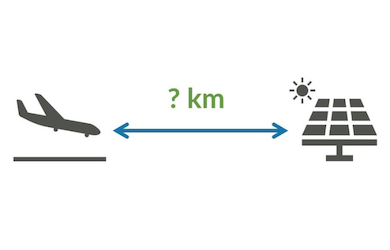
With the growing presence of solar PV developments, both on open land and upon rooftops, the co-existence of solar and airports in proximity to one another has become commonplace. In [...]
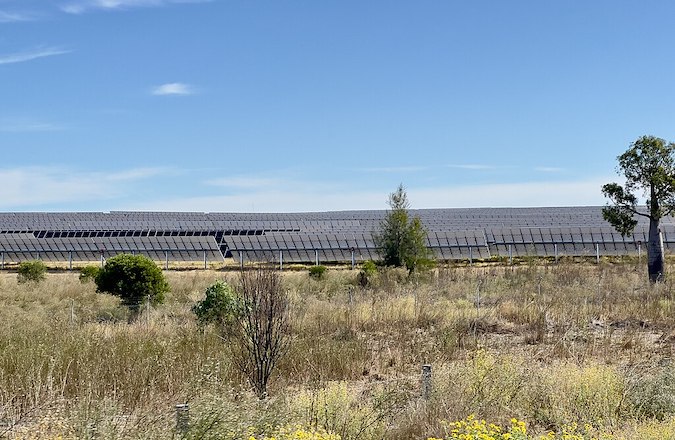
Understanding local planning policy and processes is paramount when conducting impact assessments to support planning applications. As part of our day-to-day, we need to be knowledgeable in this area to [...]

Aviation is a significant producer of greenhouse gas emissions, generating approximately 3.5% of total emissions in 2020, and has been steadily increasing over time [1]. As such, airports are seeking [...]

In the 3rd article in our series on the Baltic States, we take a look at a prominent high-speed rail development called Rail Baltica and compare this to the UK’s [...]

Introduction The first stage of assessing the potential impact of glint and glare towards surrounding road users involves undertaking an initial review of the available imagery to determine the specific [...]