How Military Low Flying Affects Wind Turbines, and Vice Versa
Last Updated: June 15, 2026
Share:
When a wind development is proposed, be it a single turbine or a larger project, potential impacts upon military aviation activity must be investigated. For the focus of this article, specifically low flying military activity, aviation warning lighting is one tool helping wind turbines and military aviation to successfully coexist.
What is meant by low flying?
How low is low flying? The Military Aviation Authority define aircraft flying at less than 2,000 feet above ground level to be “low flying”. For routine activities, fixed wing aircraft must stay above 250 feet, and helicopters above 100 feet.
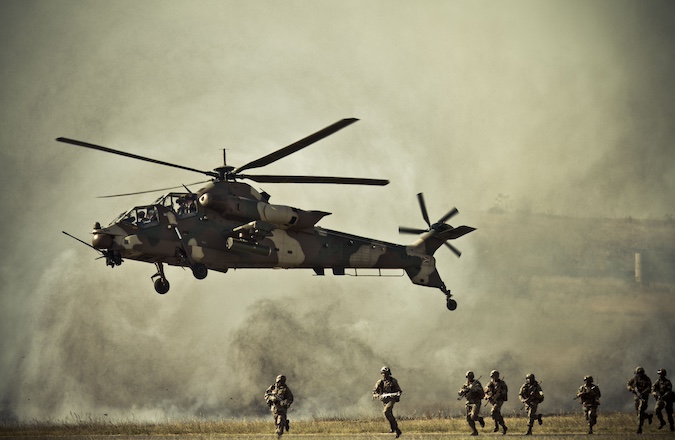
Military low flying occurs throughout the UK and is divided into nineteen areas. This applies to both fixed-wing aircraft and to helicopters who might need in a combat situation to deliver supplies, drop off and evacuate troops, and escort other units. Readiness for these operations is an important part of an aircrew’s training and is commonly carried out in the UK, both during the day and night.
Therefore, a wind development almost anywhere the in UK may have to consider potential effects upon low flying military aircraft.
What lighting does the MOD request and how has that evolved?
To protect pilots flying low at night, the ministry of defence made requests for visible lighting to be applied to many new turbines. However, aware of the knock-on impacts such lighting can have on a local area, such as visual impact and light pollution, the lighting specification was later updated to infra-red lighting.
Military pilots low flying at night are equipped with night-vision goggles in most areas and instances. This equipment picks up infra-red light, which is not visible to the naked human eye and allows military pilots to spot turbines without the lights affecting the local area.
The Ministry of Defence therefore request infra-red lighting on turbines to safeguard low flying pilots at night.
How do military lighting concerns differ from private aviation?
Turbines with a tip height of 150m or greater, are subject to statutory lighting under the Air Navigation Order. Lighting schemes for commercial aviation are reviewed by the Commercial Aviation Authority.
Large commercial flights, once cruising, do not typically operate at the same heights as a wind turbine. Lighting is especially important when turbines are near airports where aircraft may be approaching and departing at lower attitudes.
Smaller aircraft, particularly general aviation aircraft which fly visually, often fly at similar heights to turbines. At night, lighting is required to warn aircraft of the presence of turbines, allowing pilots to navigate around them safely. Other safeguarding includes marking turbines on maps which pilots review while planning their flight. You can read more about aviation lighting here.
Due to private pilots not typically using night-vision equipment, visible lighting is the preferred option for protecting non-military aircraft.
Conclusion
Wind turbines proposed throughout the UK are likely to need infra-red lighting to safeguard low flying military aircraft at night. This differs from the lighting needed for commercial and general aviation, which is visible, not infra-red.
Consultation with the ministry of defence, either during or before a planning application, should identify the specific lighting required, which for larger developments may not entail all turbines being lit.
About Pager Power
Pager Power undertakes technical assessments for developers of renewable energy projects and tall buildings worldwide.
For more information about what we do, please get in touch.
Image attribution: Alex Bührmann. March 2026. Available at: https://www.pexels.com/photo/military-helicopter-and-soldiers-in-action-36452131/ (Accessed 13 June 2026)
post contents
About the Author: Phillip Charhill