Articles about News

On Tuesday 8th September, an issue in the software of NATS, the body that manage all of the UK civil air traffic, lead to the cancellation of more than 2,000 [...]
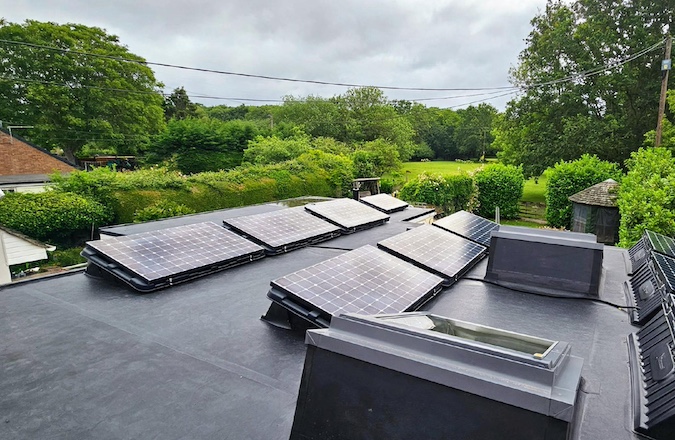
Solar panels are becoming an increasingly popular way for UK homeowners to generate renewable electricity and cut their energy bills. Typically, a formal planning application is not necessary for many [...]

Domestic solar generation has traditionally involved panels installed on rooftops requiring suitable space, professional installation and potential planning considerations. As of the 27th of August 2026, new permitted development (PD) [...]
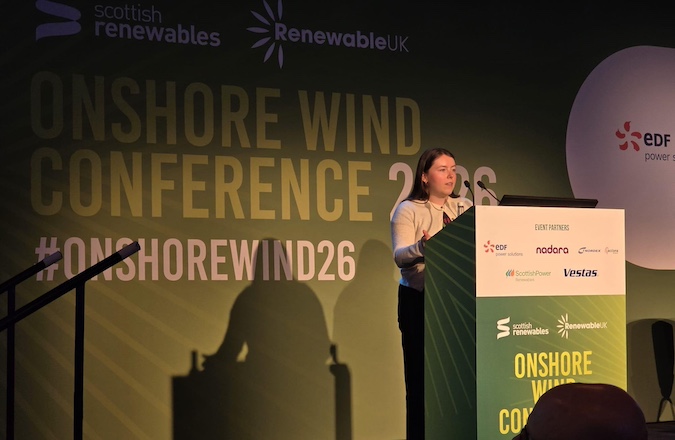
At the start of September, the industry gathered together for the RenewableUK and Scottish Power Renewables jointly hosted Onshore Wind Conference in Edinburgh. Pager Power have attended this conference for [...]

A rooftop solar scheme capable of generating a 1.4 megawatt-peak has been installed at New Spitalfields Market in Walthamstow, making it London’s largest operational rooftop solar scheme by generation. London’s [...]

Rotating wind turbine blades can cause brightness levels to vary periodically at locations where they obstruct the Sun’s rays. This can result in a nuisance when the shadow is cast [...]
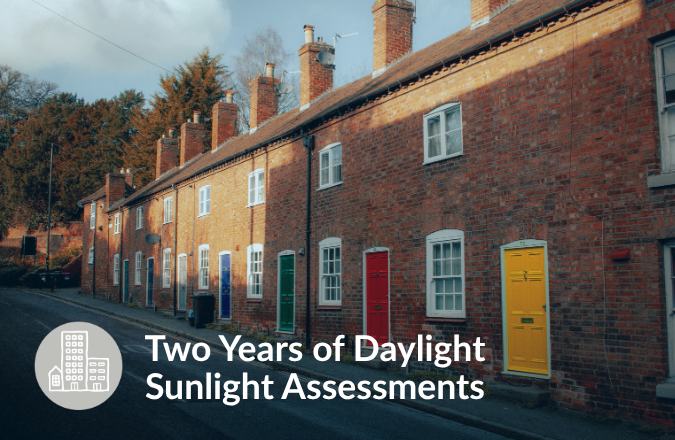
After recently surpassing two years of Daylight Sunlight services, Pager Power looks back at what led to the introduction of the service, how it has developed over time, and where [...]

For over a decade, the UK’s Contracts for Difference (CfD) scheme has been the backbone of renewable energy investment, offering generators a guaranteed strike price in exchange for building clean [...]
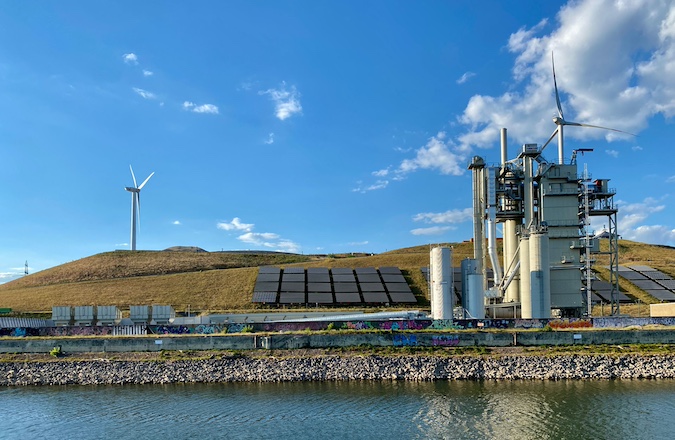
The fastest way to get power to a data centre is to stop waiting for the grid and build the generation right next to it. Many companies, such as Google, [...]

City centres are getting taller. New skyscrapers of flats and offices are being proposed and built at a fast pace. Developing one of these projects requires balancing a large number [...]