


Iran War puts Renewables in the Spotlight
Last Updated: April 14, 2026
Share:
War and the Cost of Energy
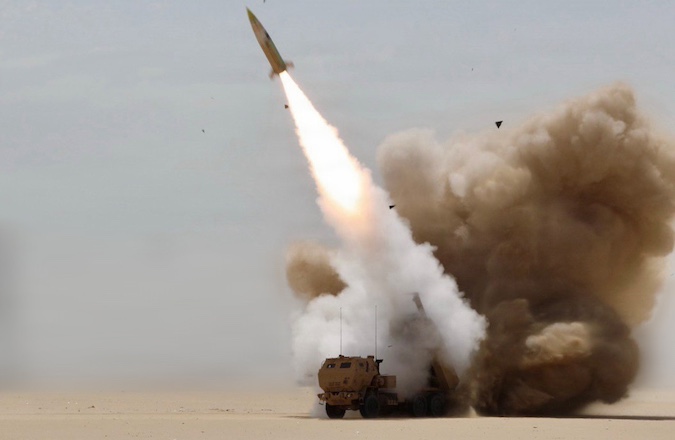
Wars have far-reaching impacts across many domains. Beyond the loss of human life, the recent war in Iran has had far-reaching impacts with regard to the cost of energy. This is because the world is heavily reliant on oil that is transported through the Straight of Hormuz, which was quickly closed / too dangerous for ships to use following the start of the war. The price of oil has subsequently risen sharply [1]. This does not just mean that fuel is more expensive at the pump (which it is), but it has knock-on effects for other energy sources like gas and even things like food prices. This is because production costs elsewhere in the supply and logistics chains increase, and these extra costs are unceremoniously passed on to consumers.
Effect on Renewables
The sudden increase in energy costs has seemingly pushed Europe towards renewable solutions for energy. Euronews reports that [2]:
- The UK has seen drastic increases in sales in heat pumps, solar and EV chargers;
- Increased interest in EVs across multiple European countries including France, Romania, Portugal and Poland;
- Increased enquiries for solar and heat pumps in Germany.
The Washington Post confirms this trend, reporting that China stands to benefit from the situation due to governments accelerating the green transition in response to the war [3]. Specifically, they cite:
- Increased share prices for battery technology companies;
- Increased exports for Chinese EVs;
- Rapid plans for solar expansion in Indonesia;
- Increased renewable investment in Europe.
It should be borne in mind that renewable solutions are not the only ones that are available. Increased oil prices can encourage reliance on things like coal to bridge the gap, something that has happened in the past [4, 5]. This has some advantages over renewable energy solutions, including the fact that coal is domestically available in many countries. Renewable energy infrastructure often relies heavily on imports of its own, mostly from China.
Wider Context
The recent activity around renewables in response to the war highlights some wider themes around the green energy transition. Often, the main emotional argument for a renewable future is a mix of ethics and inevitability, i.e. we owe it to future generations to keep the planet healthy and fossil fuels won’t last forever anyway. A limitation of this framing is that there are large swathes of the population who are simply not swayed by such arguments, particularly with the rise of populism across many countries. This is for a whole host of reasons, which stand up to varying degrees of critical thinking, including:
- Environmentalism is a left-wing political agenda and can be dismissed out of hand;
- Environmentalism is the responsibility of other countries, e.g. the biggest emitters;
- It would be nice to be more renewable, but it’s not economically viable;
- Renewable energy isn’t able to replace fossil fuels due to problems like intermittency;
- The technology isn’t up to the task yet;
- Someone else will come up with a better solution in the future.
The current scramble for a faster rollout of renewable infrastructure highlights a more pragmatic reason to prioritise reduced dependence on fossil fuels: energy security. Europe in particular is highly dependent on imports for its energy, which leaves the continent vulnerable if supply comes from outside its own borders. This is closely tied to economic security, because prices are also subject to events overseas. Considering energy requirements through this lens, notably, does not pit renewables and fossil fuels against one another. The Telegraph has reported remarks on this from the CEO of Octopus Energy, who has urged the UK to use oil that is available from the North Sea [6]. These sentiments have been echoed by the Chief Executive of Renewable UK, Tara Singh, which may seem surprising at face value. However, she has been clear in her position that Britain should prioritise home-grown energy. Pragmatically, this means using a plethora of resources, including North Sea oil, nuclear energy and significant renewable rollout.
There are other considerations when it comes to the strategic case for renewable deployment as well, not necessarily highlighted by war in Iran. These include the potential for competitive advantages around dominating and leading on renewable technology, potentially exporting more of our expertise oversees. This is not discussed in detail here.
What Comes Next
As ever, it remains to be seen whether the Iran war will result in lasting change to how we see renewable energy strategically. As much as anything, this will depend on how long the conflict lasts, and whether the cost of energy stays high (or even increases further). It is the nature the of the news cycle to make current events seem like an unprecedented crossroads, it may be that things move on and we return to ‘business as usual’ on the renewables front. However, the wider context around energy independence should not be forgotten.
Pager Power
Pager Power has been helping renewable energy developers navigate planning constraints, aviation safety issues, shadow flicker concerns and much more in over 60 countries for over 25 years. If you have any questions about your project, please do get in touch.
References
[1] Harvey, F (April 2026), As Iran war exposes global dependence on fossil fuels, the biggest emitters are reaping the rewards (link), The Guardian, last accessed April 2026
[2] Gilliver, L (March 2026), Iran war sparks renewables boom as Europeans rush to buy solar, heat pumps and EVs
[3] Lu, R (April 2026), China stands to benefit most from the war-driven energy crisis (link), The Washington Post, last accessed April 2026
[4] Porter, E (April 2026), How Trump’s Iran war could make the world more reliant on coal (link), The Guardian, last accessed April 2026
[5] Millard, Johnston and Kazmin, April 2026, Will the Iran war derail the energy transition? (link), last accessed April 2026
[6] Olver, M and Leake, J (March 2026, Wind industry chief urges Miliband to restart North Sea drilling (link), The Telegraph, last accessed April 2026
Image accreditation: US Army (2nd March 2026) from Wikimedia Commons. Last accessed on 14th April 2026. Available at: https://commons.wikimedia.org/wiki/File:HIMARS_Support_Operation_Epic_Fury_(9564984).jpg
post contents
About the Author: Kai Frolic











.jpg)