Will My New Building Block Daylight to Neighbours?
Last Updated: April 14, 2026
Share:
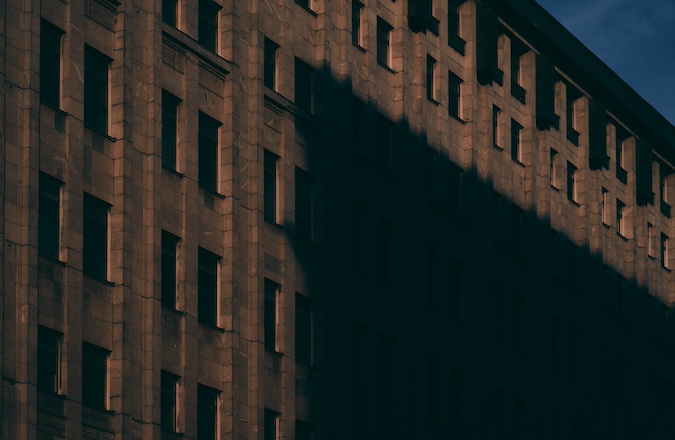
To determine whether a new building will block daylight to surrounding observers, a daylight sunlight assessment should be undertaken. Daylight and sunlight assessments typically accompany planning applications so that a local planning authority can determine whether the proposed development would cause an unacceptable loss of amenity to neighbouring properties. Ensuring new developments have no unreasonable effect on neighbour’s light is often cited in a council’s town or city development plan which guide planning decisions. Without such an assessment, a planning application for a new building of significant scale is unlikely to be approved.
Quick Tests
There are two methods of quickly testing whether impacts to daylight of neighbouring properties is possible. Both tests comes from guidance produced by the Building Research Establishment (BRE), which is the most commonly applied guidance in the field in the UK.
Maximum Distance
The maximum distance at which overshadowing impacts due to a new building are possible, as outlined in the BRE guidance, is stated to be three times the height of the new building relative to the lowest window.
If you are aware of the distance between your new building and your neighbours’ property, you will be able to estimate whether your building falls within the BRE-stated maximum distance. For example, if your new building has a maximum height of 10 metres above the lowest neighbouring window, the BRE-stated maximum distance suggests that any property within 30 metres has the potential to be affected by overshadowing and would warrant further assessment.
25 and 45 Degree Rules
We have already produced a full article on the 25 and 45 degree rules and therefore it has not been repeated here. The full article can be found – here.
In short, these rules use sloped lines from the potentially affected windows up to the new building (25 degree rule), or sloped lines from the extension down to the potentially affected windows (45 degree rule), to determine whether significant daylight or sunlight impacts are possible. If the relevant sloped line is penetrated by the new building or extension, then further assessment is warranted.
Planning officer’s reviewing applications often carry out these tests and use the results to inform whether a detailed report should be requested. Many architects can apply them once drawings have been created to provide an initial indication of potential impacts.
Failing One or Both Tests
Failing one or both tests does not automatically mean that your new building will significantly block your neighbours’ daylight. The three-times-height rule is an initial ‘screening’ criterion designed to identify properties that could potentially be affected, and the 25 and 45 degree rules are too simplistic to fully understand the situation. A full Daylight and Sunlight Assessment involves a more thorough assessment of the Vertical Sky Component, and can also consider the Annual Probable Sunlight Hours towards windows, if relevant.
Further consideration of the existing context will also be made to determine the overall impact. The BRE guidance acknowledges that a reduction in daylight in urban areas is common and to be expected. A more flexible interpretation may be appropriate provided the overall amenity of the affected rooms is maintained. An important factor in this case is whether the new building is in keeping with the other buildings in the area. By contrast, a new building in a predominantly open or suburban setting is more likely to cause a noticeable change, even if the actual reduction is less.
Overall, many developments that fail one or both tests are ultimately found to have an acceptable level of impact once a full quantitative daylight sunlight assessment has been undertaken.
Further Daylight and Sunlight Assessment Information
Pager Power has an extensive library of content related to daylight sunlight assessments. Some of the specific topics we have covered that may be useful for you are:
- Guidance for daylight sunlight assessments
- How to mitigate daylight sunlight impacts
- Pager Power’s bespoke daylight sunlight model
A full overview of the daylight sunlight services we offer can be found – here. You can even download our Daylight Sunlight Jargon Buster document which provides simple everyday explanations to help you navigate Daylight Sunlight planning requirements with ease!
Pager Power
Pager Power is a dedicated technical consultancy that has been providing independent guidance and advice regarding solar developments, wind farms, and building developments internationally since 2002. Further details about the services we provide can be found here.
If you require a Daylight, Sunlight and Overshadowing assessment for your proposed building development then please call us on +44 (0)1787 319001 or fill out our contact form.
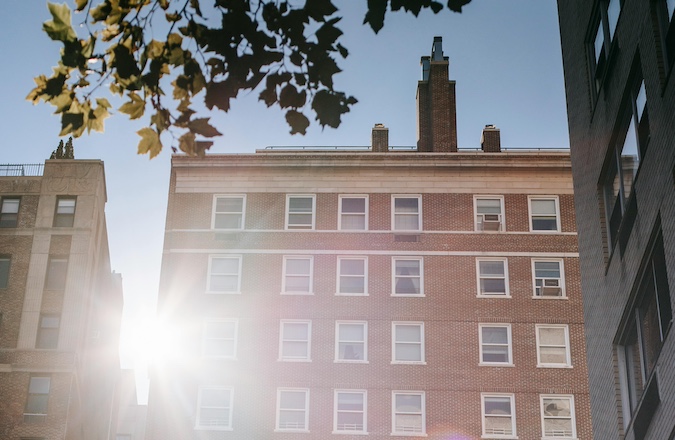
Image accreditation: Charles Parker (October 2020) from Pexels.com. Last accessed on 14th April 2026. Available at:
https://www.pexels.com/photo/exterior-of-typical-multistory-residential-building-with-white-windows-on-sunny-day-5847382/
post contents
About the Author: Michael Sutton