Rooftop Solar Glare and Permitted Development Rights: A Residential Nightmare?
Last Updated: June 15, 2026
Share:
Permitted development rights
Permitted development rights in the UK allow certain things to be built or changed without the need for a planning application. Essentially, the idea is that certain small-scale, uncontroversial or otherwise incentivised activities can be streamlined. This, among other things, avoids unnecessary:
- Bureaucracy;
- Costs; and
- Delays.
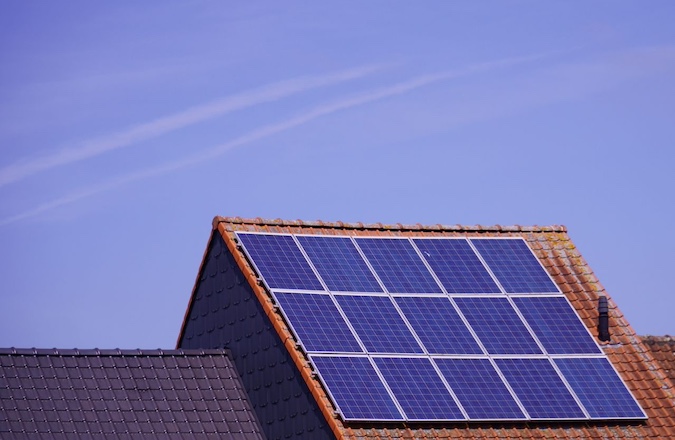
Installing rooftop solar panels is something that can progress under permitted development rights in the UK. In fact, ground-mounted solar panels can also progress under these rights if the development is small enough (read more here), and similar options are in the consultation phase for wind turbines (read more here).
A double-edged sword
Proposed development rights for rooftop solar panels have clear benefits. From the property owner’s side, these include:
- Reducing the complexity of getting the panels up and running;
- Allowing the process to happen more quickly; and
- Not having to worry whether planning permission will be granted, because permission is guaranteed.
It’s good for the government because it incentivises people to go green, which is good for the national targets.
However, removing the requirement for a planning application can also reduce some of the checks and balances that would come about during the application process. In the case of solar developments, this can include glare impacts.
Solar glare
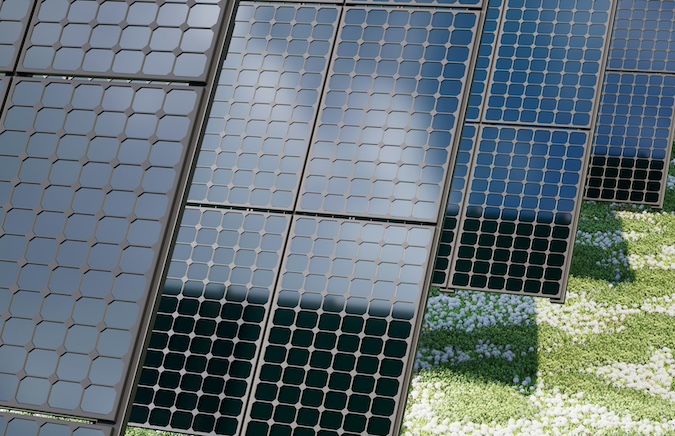
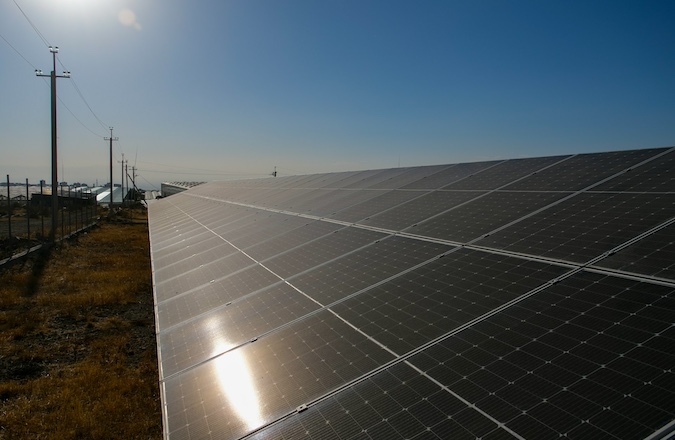
Solar panels are designed to absorb as much sunlight as possible. However, an amount is always reflected, and this is particularly prominent when the Sun is at low angles relative to the panel. Impacts associated with solar glare from panels in general include:
- Residential amenity (nuisance); and
- Safety (for drivers on roads, train drivers, and pilots of aircraft at nearby aerodromes).
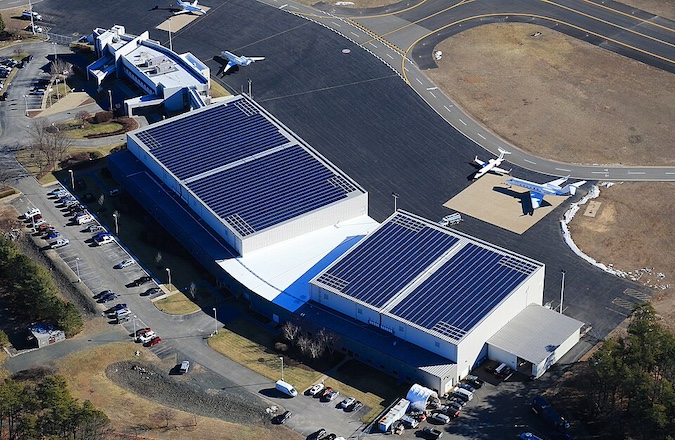
To a degree, these impacts are lessened for small-scale developments when compared to commercial-scale solar farms, because the reflecting area is smaller and the impact zones are more restricted.
However, residential amenity in particular can remain a concern for rooftop solar PV developed under permitted development rights due to two key factors:
- Distance – these types of developments are more commonly found in very close proximity to other houses and gardens; and
- Glare scenario – the angles of the pitched rooftops on which the PV is fixed can create a scenario where the solar reflections occur at times of the day when the Sun is more intense, and do not coincide with direct sunlight.
Issues associated with rooftop solar developments have been known for some years, but they are arguably becoming more prolific.
Anecdotally, the Pager Power team has been contacted by private residents on numerous occasions, from a few different countries, regarding perceived impacts due to neighbouring solar panels.
Striking a balance
Achieving change of any kind on a large scale usually requires a degree of pragmatism. The need to ensure progress is realised needs to be balanced against the most significant risks. No process can strike this balance perfectly, and it appears that residential amenity concerns due to glare remain an Achilles heel for rooftop solar developments, whether progressed under permitted development rights or otherwise.
Whether this leads to a change in how these rights are exercised remains to be seen. However, it’s worth keeping in mind that, without an informed assessment of the risk, the problem could arise for developments like this. It should be kept in mind that countless solar developments that proceed under permitted development rights do not encounter issues at all. In that regard, the system usually operates as intended. Nevertheless, in the unfortunate circumstances where a glare issue does arise, it can present a tricky situation.
About Pager Power
Pager Power has been supporting renewable energy development for over 25 years across more than 60 countries. This includes glare modelling for solar developments of any scale for a wide range of developers. This includes private residents, commercial developers, planning authorities, or anyone else looking for impartial assessments. If you have any questions about your project, please do get in touch.
Image accreditation: Budget Bizar (May 2023) from Pexels.com. Last accessed on 15 June 2026. Available at: https://www.pexels.com/photo/solar-panels-on-house-roof-17762230/
post contents
About the Author: Kai Frolic