Wildlife vs Aviation
Last Updated: October 14, 2026
Share:
When we think of disruptions to air travel, we may be minded to imagine things like severe weather events, airspace closures due to conflicts, technical faults or even cyber-attacks. We may be less likely to think of wildlife interfering with our aeronautical ambitions, however this is not just a logistical concern, but a very real safety hazard that must not be overlooked.
Impacts of Wildlife
Whilst not often headline news, wildlife hazards require constant management and routinely cause impacts. Some examples from this year (2026) include:
- Halting of flights at Jesey Airport in March due to a rabbit on the runway [1];
- Similarly, air traffic at Dresden Airport in Germany was disrupted in July by a hare on the runway [2];
- A cancelled flight from Thessaloniki in Greece due to a bird in the engine in August [3];
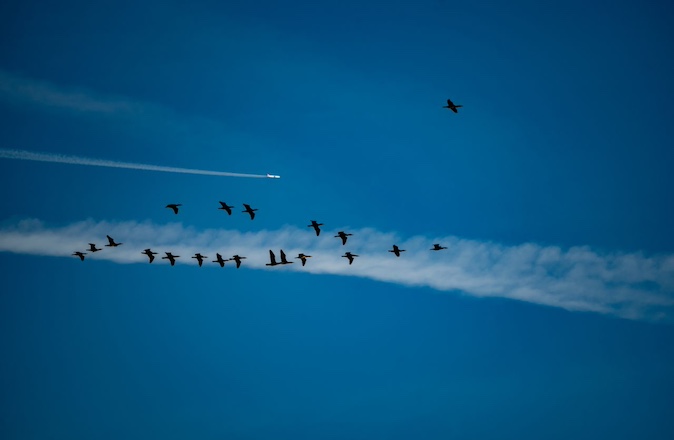
- A damaged aircraft in the Netherlands due to a collision with geese in August [4]; and,
- A grounded Kenya Airways flight in Cape Town following a bird strike in May [5].
One of the more heartbreaking cases, which did receive some publicity in 2017, was the 10-month old sniffer-dog in training that escaped onto the runway at Auckland Airport in New Zealand and was shot dead so that flights could resume [6]. However, most wildlife-related disruptions remain out of the public eye, but they represent a continuous concern to aviation safety operations.
What Can Be Done
The risk posed by wildlife cannot be eliminated. Birds, rabbits and so on cannot be fully controlled. However, the issue is not left entirely to chance. Civil Aviation Authority guidance in the UK and elsewhere dictates that developments on or around airports, and their respective project developers/site managers must do what they can to minimise the likelihood of increasing wildlife hazards. This can include:
- Careful planning of design elements that could attract birds, such as water features or potential nesting sites;
- Control of features that can attract wildlife more generally, for example comprehensive refuse management to ensure that food waste is contained; and
- Due consideration of planting species in the context of animals that may be attracted to it.
Whilst these examples may sound simple, they require a detailed knowledge of the environment, the species that are native or could be present and a working knowledge of what risks and mitigation factors are available in practice.
Whilst the aviation world is all too familiar with the consequences and requirements around wildlife hazards, this is potentially something that project developers can neglect during the early stages of a project.
Practical Steps
It is advisable for any developer to consider early the surrounding aviation environment, and to ensure that wildlife hazards are considered at the earliest practicable stage in the design process.
Where appropriate, detailed assessment by a wildlife specialist should be coordinated, and provision of a Wildlife Hazard Management Plan (WHMP) should be considered. Early engagement with the relevant stakeholders, including nearby aerodromes, is always advisable to minimise the chance of unexpected concerns at a later stage.
Pager Power
Considering wildlife hazards early in a project can avoid objections, significant alterations and reactive mitigation measures later down the line. Pager Power’s subject matter experts help developers assess risks near UK aerodromes and prepare the Wildlife Hazard Management Plans that aerodromes need to meet their safeguarding obligations. To discuss a project close to an aerodrome, contact our team on +44 (0) 1787 319001 or or make an enquiry.
References
[1] ITV (March 2026), Passengers and pilots left bemused as rabbit hops onto Jersey Airport’s runway (link), ITV News, last accessed October 2026
[2] dpa Sachsen (July 2026), Hase stoppt Flieger – So schützt sich der Dresdner Airport (link), Die Zeit, last accessed October 2026
[3] Newsroom (August 2026), Flight to Germany cancelled after bird found in aircraft engine at Thessaloniki airport (link), Ekthimerini, last accessed October 2026
[4] Dutch Safety Board (August 2026), Birdstrike, Amsterdam Airport Schiphol (link), Dutch Safety Board, last accessed October 2026
[5] Mumbi, L (May 2026), Kenya Airways flight grounded in Cape Town after bird strike, disrupting Nairobi route (link), The Eastleigh Voice, last accessed October 2026
[6] England, C (March 2017), Sniffer dog runs away at airport and is shot dead by handlers (link), The Independent, last accessed October 2026
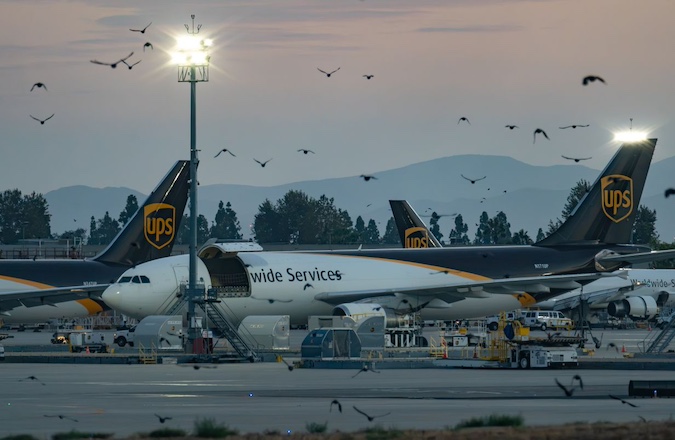
Image accreditation: Soly Moses (Sept 2026) from Pexels.com. Last accessed on 14 October 2026. Available at: https://www.pexels.com/photo/cargo-planes-parked-at-airport-during-dusk-39908773/
post contents
About the Author: Kai Frolic