‘No Mow May’
Last Updated: May 18, 2023
Share:
We’ve all heard of ‘Movember’, the annual event of growing moustaches during the month of November to raise awareness of men’s health, such as prostate cancer, testicular cancer and men’s mental health. There’s also ‘Go Sober October’, that encourages people to give up alcohol for the month of October to raise money and awareness for Macmillan cancer support. ‘Dry January’ has been around for years, which challenges you to go alcohol free for the entirety of January to raise awareness of the effects of alcohol.
No Mow May Campaign
In 2019, a new charity campaign was introduced, called ‘No Mow May’. This campaign has been created to encourage people who own a lawn, field, or grass area, to not mow it for the full 31 days of May. [1] This means that the pristine lawns we all try to maintain, will let nature come back by letting weeds, flowers and grass come back. Allowing lawns to grow for a month can create habitats and food sources for early-season pollinators when other flowers are scarce.
Over 97% of flower-rich meadows have disappeared since the 1970s, and as a result, the food sources necessary for pollinators like bees and butterflies have disappeared. Research has shown that consistently mowed lawns can diminish biodiversity by removing vital food for pollinators like bees and butterflies. This results in the rapid decline in numbers of insects like bees, butterflies, moths, flies, and beetles, just to name a few. This in turn, goes up the ecosystem, the decline in insect numbers, results in the decline of insect consumers, such as birds and bats. This decline will continue up the food chain and eventually, the entire ecosystem could collapse, and species could become extinct.
No Mow May is a good time for homeowners and even city officials to reconsider how we think about lawns. Consider clover, meadows, and prairies as a replacement for grass. Replacing grass with native or edible plants is an excellent alternative to grass and can help feed yourself and the community. Clover is also very soft to walk on.
Participating in No Mow May can reduce pollution as well as feed pollinators and be visually appealing, as fuel-powered lawnmowers can emit the same amount of greenhouse gas emissions as driving a new car. Mowing your grass less often can strengthen your lawn and make it more drought-tolerant, which will help conserve water.
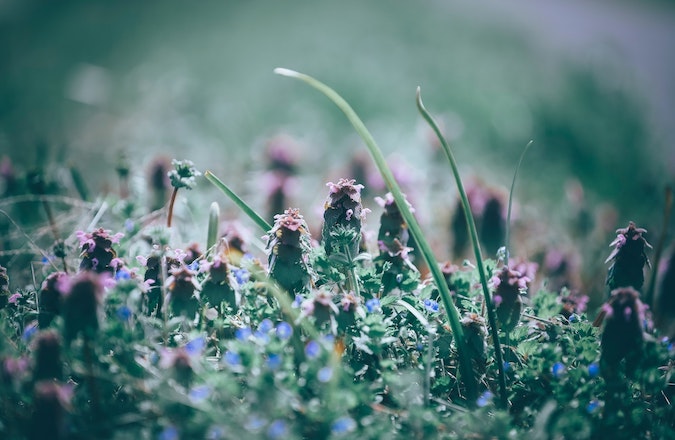
Reducing the number of times per year that you mow your green areas, especially in Spring and Summer, will help to feed the pollinators and can look very nice. Bees and butterflies love plants that will grow in your lawn if it is left untouched for a while, such as buttercups, daisies, and red dead nettle. Contrary to popular belief, red dead nettle will not sting you, hence the part of the name ‘dead nettle’, the nettle part will not sting you and is perfectly safe to walk on. [2]
About Pager Power
Pager Power undertakes technical assessments for developers of renewable energy projects and tall buildings worldwide. For more information about what we do, please get in touch.
References
[1] – https://happyeconews.com/no-mow-may-5-years-of-pollinator-help/ – accessed 18/05/2023.
[2] – https://www.wildlifetrusts.org/wildlife-explorer/wildflowers/red-dead-nettle – accessed 18/05/2023.
Image accreditation: Nguyen Hung (April 2020) from Pexels.com. Last accesses on 18th May 2023. Available at: https://www.pexels.com/photo/purple-wildflowers-growing-in-field-on-cloudy-day-4056560/
post contents
About the Author: Georgia Low