Network Rail – Glint and Glare Guidance Update

Last Updated: October 14, 2026
Share:
In November 2025, Network Rail published updated guidance on assessing glint and glare impacts towards railway receptors, which includes scope for assessing glare towards both rail drivers and signalling assets.
This article breaks down the updated guidance, outlining key considerations that should be made by solar and building developers going forward.
Glint and Glare towards Railway Receptors
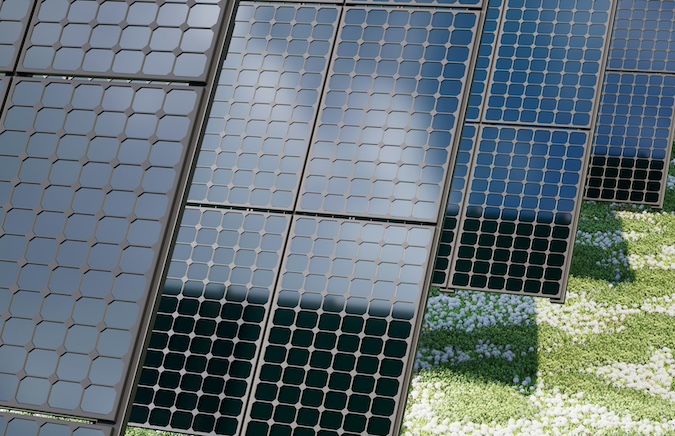
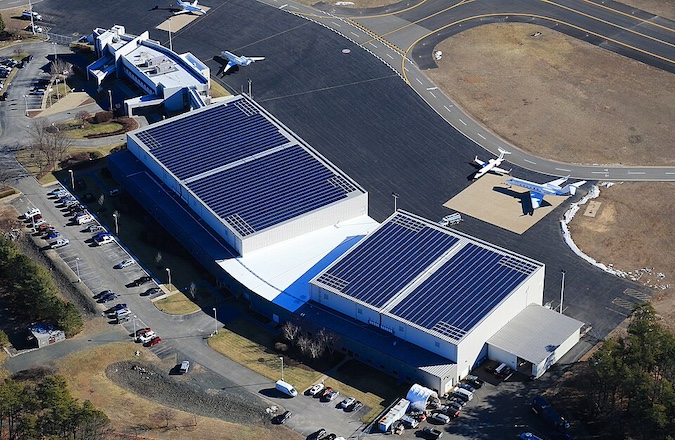
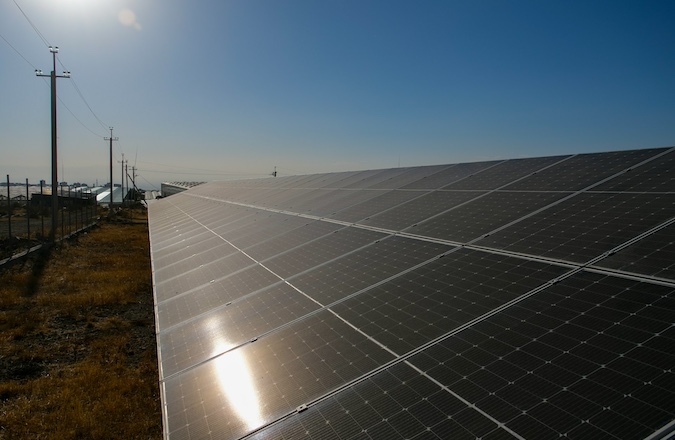
Glint and glare impacts towards railway infrastructure are typically considered when proposed developments are located within 200m of safeguarded railway infrastructure. The potential for specular solar reflections from reflective surfaces (solar panels) or building façades is the key area of concern, which is then assessed against any relevant railway receptors up to 500m away from the proposed development, providing a conservative analysis of any possible glint and glare impacts.
This assessment involves modelling the receptor and reflector locations, the path of the Sun throughout the year, as well as local topography. Once this initial modelling is carried out, a high-level review of obstructions that may break the line of sight to the reflector locations is also carried out.
Network Rail Signal Sighting – Key Takeaways
The updated Network Rail guidance outlines key considerations and modelling requirements that must be carried out when assessing glare impacts towards rail infrastructure, including:
- Any development being constructed with reflective materials in the vicinity of a railway line must be subject to a glint and glare assessment;
- Each glint and glare assessment must address risks associated with glare shining towards:
- The eyes of train drivers, at regular intervals along the track;
- The face of signal heads (which may cause a risk of phantom aspect illusion – when an unlit railway signal appears to be lit due to external light sources); and
- Towards train drivers from behind signals, which may backlight the signal;
- Any artificial light sources from a proposed development must also be assessed with respect to their intensity;
- Where glare is geometrically possible, its estimated severity in the form of veiling luminance, as well as the times and durations of the glare, must be provided;
- Where glare is geometrically possible, it may also be necessary for a signal sighting report to be carried out by a qualified Signal Sighting Chairperson, in order to provide an additional assessment of any glare risks;
- Where glare impacts are considered significant, mitigation may be necessary to reduce their impact, but vegetation screening is not considered acceptable.
Following on from the updated guidance, Pager Power recommends engagement with glint and glare specialists as soon as possible in development processes, as any impacts that may require mitigation, or further discussion with Network Rail themselves, may lead to delays further down the line.
About Pager Power
If you require a glint and glare assessment for your proposed building or solar development, or if you have any queries regarding our services, please give us a call on +44 (0)1787 319001 or fill out our contact form.
Image accreditation: Dan Wright from Pexels.com. Last accessed on 14 October 2026. Available at:https://www.pexels.com/photo/modern-train-at-historic-station-platform-40247847/
post contents
About the Author: Adam Hardie