How Do I Check if a Solar Farm Will Create Glint and Glare Issues for Nearby Homes or Drivers?
Last Updated: October 14, 2026
Share:
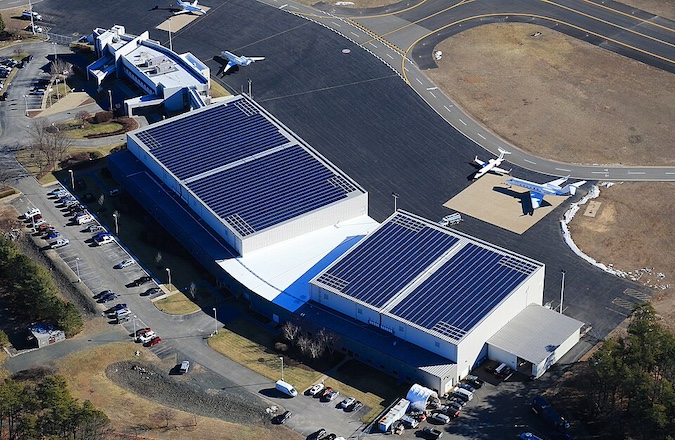
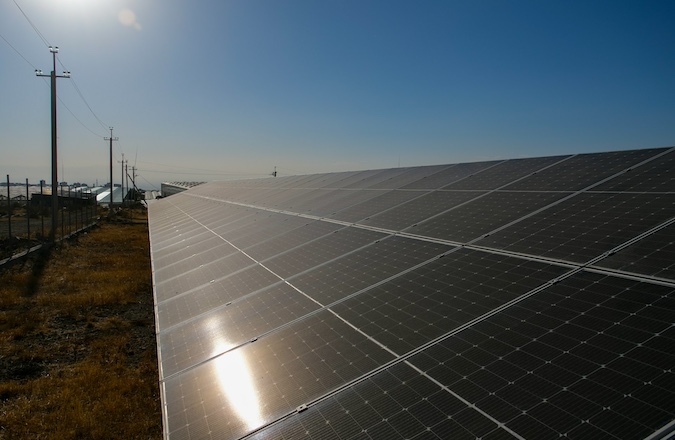
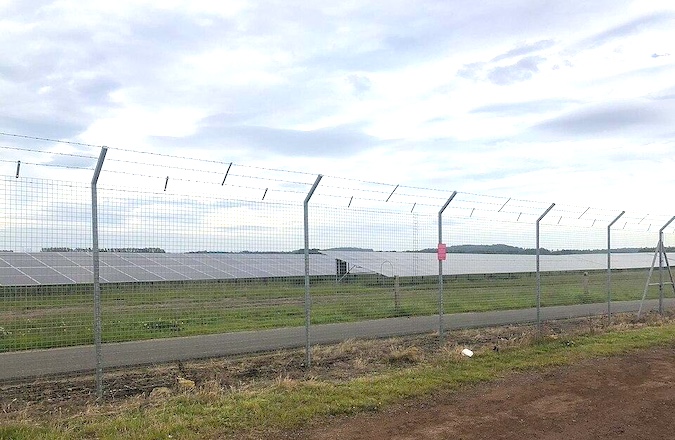
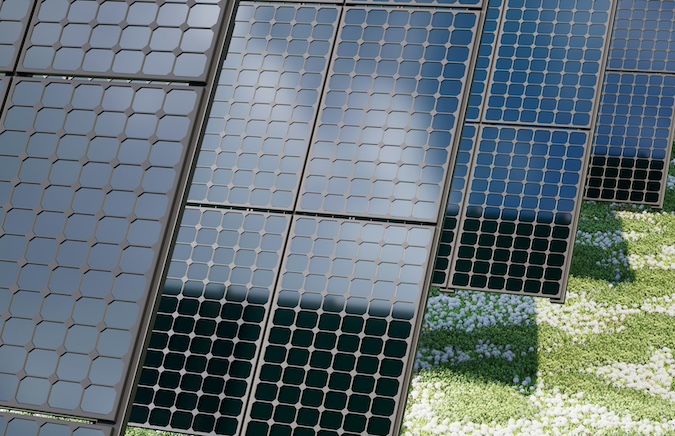
Solar farms can cause reflections throughout the day when sunlight hits the surface of photovoltaic (PV) panels. Depending on the orientation of the panels, the Sun and nearby receptors, these reflections could potentially result in glint or glare. A glint and glare assessment helps determine whether this is likely to significantly affect nearby dwellings, roads, railways or aerodromes.
Which Receptors are Considered?
At Pager Power, we use defined distances to identify receptors that may need to be assessed as a part of a glint and glare assessment. These parameters have been used in many projects in the UK, including nationally significant infrastructure projects (NSIP), and in solar projects internationally.
Typically for solar developments, we consider:
- Residential properties within 1 km
- Major roads within 1 km, or other roads specifically requested for assessment
- Railways within 100m
- Licensed and unlicensed aerodromes within 10 km
How is Glint and Glare Assessed?
The assessment considers factors such as panel location, orientation and tilt, as well as the position of the Sun throughout the day and year in order to determine if reflections are geometrically possible. The assessment also establishes when reflections occur and for how long.
Factors such as visibility of the panels, surrounding terrain and current or proposed screening may also be considered within the assessment in order to determine if reflections are possible in practice. For roads and aviation it is important to determine if the reflections will be within a driver’s/pilot’s field of view as this is an important factor to consider when determining the impact of the reflections.
Being able to see a solar farm does not necessarily mean that glare will occur. Therefore it is important to undertake an assessment early in the planning process as this can help developers identify potential issues and address them as part of the project design. Where potential effects are identified, the findings of a glare report can help inform mitigation, such as proposed screening or changes to the solar panel layout and/or orientation.
What Should You Do?
If you have a development that may have potential glare impacts, please feel free to call or email us for free initial advice. We would also be happy to provide a free, no obligation fee proposal tailored to your development. Once instructed, the assessment will be undertaken and the results will be provided to you with a report. We can also consult with relevant stakeholders throughout the process to ensure that the assessment, findings and recommendations are clearly understood and appropriately addressed.
How Pager Power can help
Pager Power has undertaken over 1900 glint and glare assessments in the UK and worldwide. This includes private residents, commercial developers, planning authorities, or anyone else looking for impartial, expert advice. If you have any questions about your project, please do get in touch.
Image accreditation: Kamran Abdullayev (March 2023) from Unsplash.com+. Last accessed on 14 October 2026. Available at: https://unsplash.com/photos/a-row-of-solar-panels-sitting-on-top-of-a-grass-covered-field-T-WlAGX7yGI
About the Author: Cameron Sabouni