Turbulence caused by wind turbines
Last Updated: March 21, 2016
Share:
Wind Turbines cause turbulence which can affect small aircraft that fly through it. Pager Power has undertaken a number of wind turbine wake turbulence assessments and has managed flight trials using small aircraft in the vicinity of wind developments.
Wind Turbine Turbulence Study
In collaboration with the UK Civil Aviation Authority (CAA), the University of Liverpool conducted a Wind Turbine Wake Encounter Study. The results were published on March 27th 2015, and the objectives were to:
- Compare different computer models for predicting wind turbine air turbulence.
- Model the predicted wind turbulence in a flight simulator to see the effects on the pilot of a small aircraft.
- To make recommendations regarding safe separation distances between light aircraft and wind turbines.
The study compared a number of computer modelling methods and found that the Kocurek wind turbine wake vortex model was reasonably accurate.
Wind turbines reduce the speed of the wind flowing through them and this is known as velocity deficit. They also cause wake turbulence. The study found that wake effects existed up to 5 rotor diameters downstream of the turbine – suggesting that aircraft beyond this distance would be less likely to be affected.
Simulation of these wake effects on small aircraft showed that yaw (aircraft remains level but heading changes) of less than 10 degrees would be induced.
Baseline wind data for the study came from a wind turbine at East Midlands Airport. The University of Liverpool study gives no firm recommendations on siting wind turbines near airports although some guidance is provided by the (CAA). Its CAP764 guidance suggests that the safeguarding system used to protect airports from physical obstruction risk may be used to protect against potential wind turbulence issues for wind turbines having a rotor diameter of up to 30 metres (m).
Such safeguarding is achieved through a system of Obstacle Limitation Surfaces (OLSs) which slope upwards and outwards from runways. Objects that do not breach these surfaces are deemed safe. An example of such a safeguarding chart, produced by Pager Power, is shown below in Figure 1.
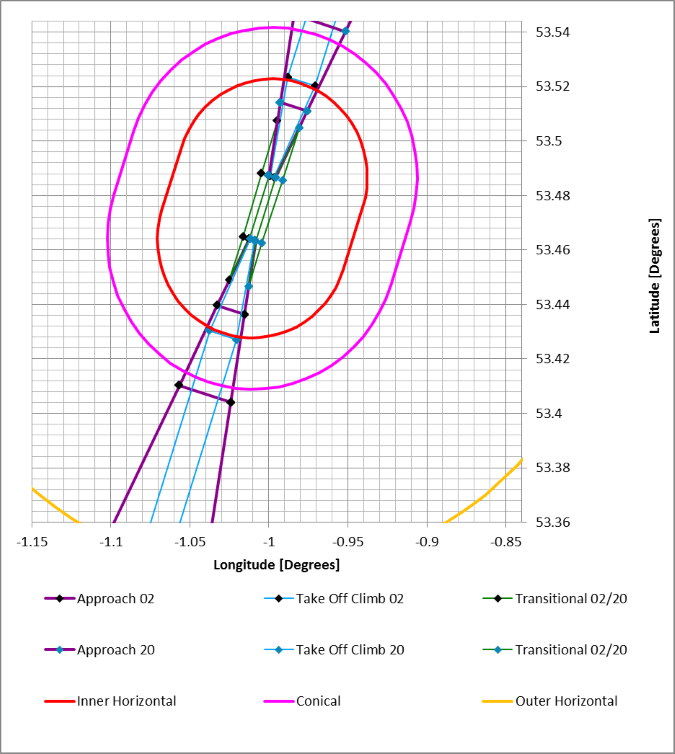
Figure 1: Obstruction Assessment chart by Pager Power
Pager Power Experience with Wind Turbine Turbulence
Pager Power has commissioned a number of flight trials in the vicinity of wind turbines for measuring radar performance and for assessing turbulence effects.
Since 2006, experience has been gathered for turbines with rotor diameters up to 80 m using a small fixed wing aircraft, a microlight and a helicopter. In all cases, turbulence thought to be caused by the turbines was apparent, but the size of these effects was considered less than the normal turbulence effects experienced in day to day flying.
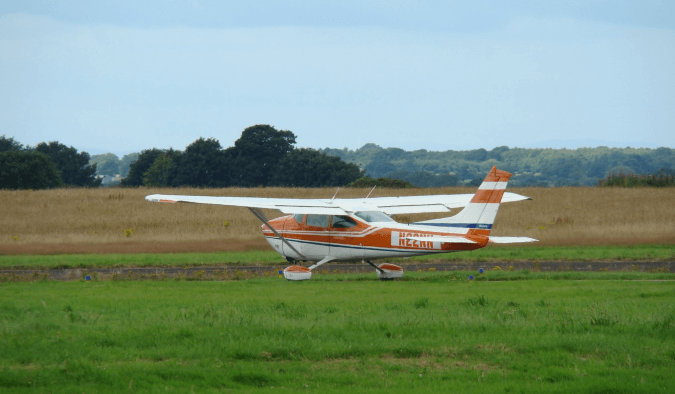
Figure 2: Cessna 182 Aircraft formerly used by Pager Power
Pager Power has undertaken a number of wind turbine turbulence assessments. These typically take a number of factors into account including Regulatory Guidance and Legislation, Obstacle Limitation Surfaces, Wind Turbine Rotor Diameter, Other local sources of turbulence, Experience of flying in wind turbine turbulence, Prevailing Wind Direction, Aircraft Size, Pilot Experience, Flight Trial Results as well as likely aircraft movements into account.
For more information on working together on this issue please call Mike Watson on +44 (0) 1787 315138.
Editors Note: This post was first published on 5th February 2013, but has been updated for accuracy and comprehensiveness.
References
Wind Turbine Wake Encounter Study, University of Liverpool, March 2015,
CAP 764 CAA Policy and Guidelines on Wind Turbines, Civil Aviation Authority, Sixth Edition February 2016.
CAP 168 Licensing of Aerodromes, Civil Aviation Authority, Tenth Edition February 2014.
Manual of Aerodrome Design and Safeguarding, Military Aviation Authority, Issue 7.
Certification Specifications and Guidance Material for Aerodromes Design CS-ADR-DSN, European Aviation Safety Agency, Issue 2 January 2015.
post contents
About the Author: Mike