uPVC: Built to Last, Not to Landfill
Last Updated: May 13, 2026
Share:
As the sun brightens and temperatures begin to rise you may find yourself increasingly performing the “shoulder-shove” manoeuvre to open your uPVC (Unplasticized Polyvinyl Chloride) windows and doors. You are now in turmoil, held hostage inside your property by what once was your pride-and-joy installation.
What is uPVC?
uPVC (Unplasticized Polyvinyl Chloride) is an industry-standard material used for windows and door frames. uPVC is formed using stabilizers and other additives which gives it strength and durability [1]. This, combined with its low initial manufacturing cost, easy maintenance and array of styles makes it the most popular material in the UK.
The Hidden Cost of the “Shoulder-Shove”
While uPVC is celebrated for its low upfront cost, those same ‘convenient’ factors are exactly what lead to the environment and your property paying the higher price later.
uPVC expands roughly three times more than aluminium and up to six times more than wood for the same temperature change [2] [3]. Over time, this repeated movement can cause the product to become distorted, leading to gaps, misalignment, and difficulty in operation [4]. This can contribute to higher indirect emissions through frequent professional maintenance and premature product disposal.
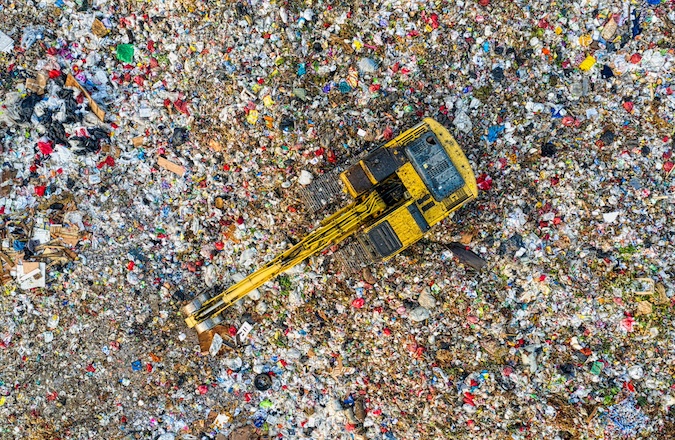
Data from the World Wide Fund for Nature (WWF) suggests that 83% of uPVC waste still ends up in landfill, where it persists for centuries due to its non-biodegradable nature [5].
Sustainable Alternatives: Built to Last
To avoid the cycle of product and landfill waste, you may opt for turning to greener materials, such as:
- Engineered Timber: Unlike uPVC, timber is a natural carbon sink. Modern engineered wood is designed to resist warping, offering a lifespan of up to 60 years – double that of plastic [6].
- Recycled Aluminium: Aluminium is renowned for its strength and durability. It is highly resistant to weather elements, including extreme temperatures, moisture, and UV rays. This resilience ensures that aluminium doors and windows maintain their structural integrity over time, offering long-lasting performance and minimal maintenance requirements [7]. Aluminium can be recycled indefinitely unlike uPVC which can only be recycled up to 10 times before the material loses its quality [8][9].
The Verdict
Investing in your home shouldn’t mean compromising the planet. By choosing materials that are built to last rather than landfill, you can help contribute to a greener future and avoid your annual “shoulder-shove” escapades.
About Pager Power
Pager Power undertakes technical assessments for developers of renewable energy projects and tall buildings worldwide.
For more information about what we do, please get in touch.
References
[1] https://www.plasticexpert.co.uk/what-is-upvc/
[2] https://www.kalsiplastics.co.uk/blog/thermal-expansion-in-pvc-why-expansion-gaps-matter/
[4] https://www.taylorswindows.com/why-do-windows-warp-understanding-and-preventing-window-distortion/
[5] https://www.recyclingbristol.com/everything-you-need-to-know-about-upvc-recycling/
[7] https://www.winlock.co.uk/blog/pros-and-cons-of-choosing-aluminum-doors-and-windows
[8] https://www.alutrade.co.uk/how-many-times-can-aluminium-be-recycled/
Image accreditation: Tom Fisk (October 2019) from Pexels.com. Last accessed on 13 May 2026. Available at: https://www.pexels.com/photo/bird-s-eye-view-of-landfill-3181031/
post contents
About the Author: Eleanor Coughlan