How to Mitigate Daylight Sunlight Impacts
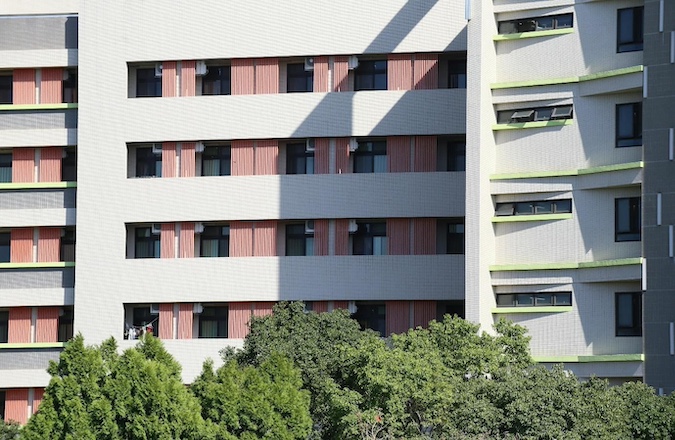
Daylight sunlight and overshadowing assessments are commonly requested by local planning authorities for new building developments, from rear extensions to skyscrapers. These reports calculate the natural light predicted to be received at existing and proposed buildings.
When the recommended thresholds of light aren’t met, mitigation can be recommended or even required to ensure neighbours are not significantly impacted and that proposed buildings will provide good quality living spaces. This article explores some of the mitigation options that a report might recommend.
The impact determines the solution
In already developed urban areas, such as city centres, or on heavily constrained sites, the recommended levels of light cannot always be fully achieved. However, with the implementation of steps to maximise natural lighting, effects can be minimised, increasing the likelihood of planning permission being granted.
The nature of the predicted impact, whether a neighbour’s light is significantly reduced or a proposed house/flat won’t receive enough light, will be the key in determining the appropriate solution. We will look at each in turn.
Impacts upon existing buildings
When natural light received by neighbouring buildings is predicted to be significantly reduced, the most effective solution is changes to the proposed building’s footprint or elevations. This can include:
- Reducing the footprint or adding set-backs from the most affected buildings;
- Reducing the maximum height of roofs or adding slopes;
- Changing the angle a building faces within the site.
Not all solutions will work on all sites. A building in-filling a gap in an existing terrace cannot be reangled, for example. Further, any reductions in the size of a new building can reduce the number of units. Where affordable housing is proposed this can work against meeting other planning goals of a new development. A reduction in height might be offset with the addition of a basement level of residences, however these can be tricky to light sufficiently as well, which leads us to the next form of impact.
Impacts upon proposed buildings
Where the existing environment leads to proposed houses or flats not receiving sufficient daylight, optimisations can often be made to improve lighting and ensure better quality housing.
For internal residential units, changes to the exterior can be helpful. Windows located at internal corners often perform poorly, so a footprint which minimises these can be helpful in preventing a building from overshadowing itself.
In addition, changes inside the building to make the best use of the available light can be powerful tools. For example, not all rooms are equally sensitive to natural light, so locating the least sensitive rooms at the worst performing areas, the most sensitive rooms in the best performing areas can ensure architectural best practice is followed. Other strategies include:
- Increasing the size of windows to allow light from a greater range of angles to reach inside the room;
- Making rooms dual-aspect so they can enjoy light, especially sunlight, from multiple directions;
- Adding skylights to allow light to enter a room from the least obstructed angle, i.e. upwards;
- Moving key surfaces of a room towards the best lit areas, such as next to windows and under skylights.
With the implementation of a few steps to improve lighting, proposed flats can often enjoy a higher standard of living. However, all sites face constraints and optimisations must be managed within these.
Conclusion
Not all sites can and will meet the recommended thresholds for daylighting. The provision of sufficient daylight can even inform the site selection process, particularly for larger projects. However, with careful design and a thorough assessment of effects, many sites can perform well enough to ensure that planning goals are met and residents are happy.
Pager Power assists by quantifying impacts in accordance with BRE guidance, recommending the extent of any required mitigation, and working with architects to optimise designs within site constraints.
For advice on your building project and potential daylight impacts, make an enquiry or give us a call on +44 (0)1787 319001 to speak to an expert.
Image accreditation: 翊誠 洪. November 2025. Available at: https://www.pexels.com/photo/modern-urban-building-facade-with-trees-in-foreground-34985552/ (Accessed 07 Dec. 25)
post contents
About the Author: Phillip Charhill

Latest News
US Continues to Build Out Solar Capacity
Earlier this month, the Solar Energy Industries Association (SEIA) released [...]
China’s Airborne Wind Turbines
In early 2026, China successfully developed an airborne wind turbine [...]
Shadow Flicker Assessments for Wind Turbines: A 2026 Update
Shadow flicker is the effect of rotating turbine blades, causing [...]