Baltic State Series, Part 5: Wind Power Capacity
In this fifth article of our series, we will look at the current position of the wind power industry in the Baltics, as well as the potential for growth in this area.
The Baltic States of Latvia, Lithuania, and Estonia are all countries which show great potential to develop a thriving wind power industry through use of both onshore and offshore wind farms. Currently all of these countries are in a relatively early stage of their shift towards utilising wind power to meet a significant proportion of their energy demands, but this article will consider how far they may come in the future.
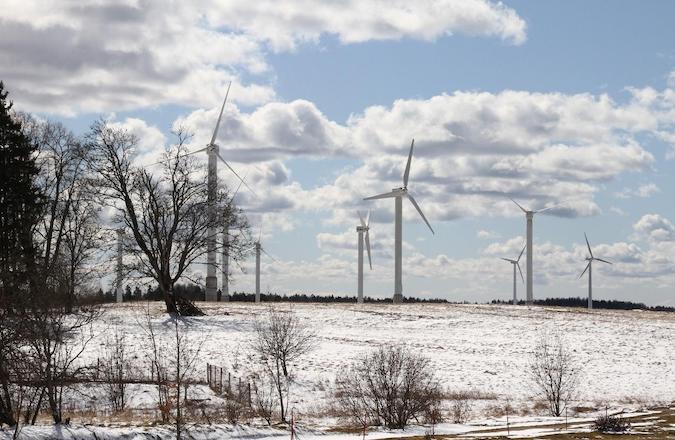
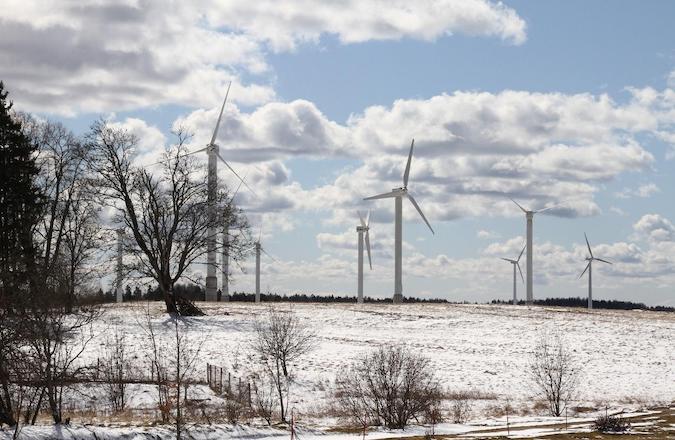
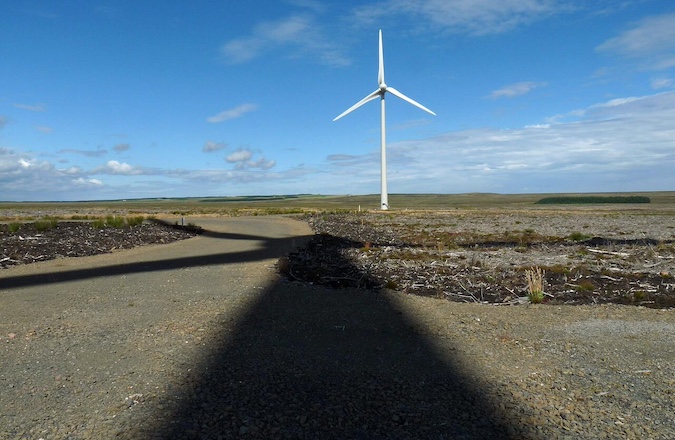
Figure 1: Wind farm near Alsunga, Latvia [1]
The Current Position of Wind Power in the Baltic States
According to 2022 statistics from Ember’s yearly electricity capacity data [2], the Baltic States have a combined capacity of just 1.26 GW [3]. By comparison, countries with highly developed wind industries such as Germany and the UK have much greater installed capacities of 66.29 GW and 28.76 GW respectively.
On the other hand, Lithuania produced 38% of its electricity from wind power in 2022 [4], which was the second greatest proportion of wind generation, behind only Denmark. This shows that there is real potential for growth in this area, and for the Baltic States to become far less reliant on imported fossil fuels for electricity generation.
The Future Potential for Wind Power in the Baltics
It has been estimated that the wind energy potential for the Baltic States is much greater than the energy demands shown by these countries, presenting the opportunity for Baltic countries to become electricity exporters to other European countries. It is estimated that the potential for Lativia’s offshore wind capacity alone is around 15 GW [5], which is over 100 times Latvia’s current installed capacity.
There are however many obstacles to realising this potential, from regulatory challenges to infrastructure requirements that the Baltic States do not yet meet. This will be the focus of our next article in this series, as we look to explore how Latvia, Lithuania and Estonia can develop into wind superpowers over the next decades.
About Pager Power
Pager Power undertakes technical assessments for developers of renewable energy projects and tall buildings worldwide. For more information about what we do, please get in touch.
References
[1] Maris Teteris (April 2012) from WikiCommons. Accessed on: 23rd Feb 2024.
[2] Ember’s latest yearly electricity generation, capacity, emissions and demand data from over 200 geographies. Accessed on 2nd Jan 2024 at https://ember-climate.org/data-catalogue/yearly-electricity-data/
[3] Latvia (0.14 GW), Estonia (0.31 GW), Lithuania (0.81 GW)
[4] Ibid
[5] “LWEA: Unlocking the potential of Latvian offshore wind”, Baltic Wind (April 2023). Accessed on 23rd Feb 2024 at: https://balticwind.eu/lwea-unlocking-the-potential-of-latvian-offshore-wind/
post contents
About the Author: Aaron Williams

Latest News
US Continues to Build Out Solar Capacity
Earlier this month, the Solar Energy Industries Association (SEIA) released [...]
China’s Airborne Wind Turbines
In early 2026, China successfully developed an airborne wind turbine [...]
Shadow Flicker Assessments for Wind Turbines: A 2026 Update
Shadow flicker is the effect of rotating turbine blades, causing [...]