Beyond Bird-Strikes: Can Ground-Based Animals Affect Aviation Safety?
Last Updated: November 16, 2026
Share:
When you consider animal impacts on aviation, naturally, you may be drawn to consider the impact of birds and bird-strike. You may therefore think that the term ‘wildlife hazard’ refers to bird-related impacts, and whilst they may be the most common avian threat (bats also present a threat), ground-based animals are also encompassed within this term. If these ground-based animals are not managed appropriately, they can cause significant concerns. This article therefore explores the impact of ground-based animals on aviation safety.
How do Ground-Based Animals Affect Aviation Safety?
The Combined Aerodrome Safeguarding Team (CAST) in the UK have provided an aerodrome safeguarding advice note on wildlife hazards (1). Within this note, they acknowledge that other species of animals can cause aviation issues.
Airports are often in close proximity to human populations, especially if it is an airport that serves a nearby city. Animals that live in these densely populated areas have adapted to be comfortable with the increased levels of noise and activity. Think of how confident foxes in London are compared to foxes in rural villages. These animals that are not scared of people and noise, are more likely to cause problems for aerodromes.
In the UK we do not have many large animal species that freely roam, the largest being deer. However, for smaller aircraft, any animal hazard has the potential to have an impact on the aircraft. Smaller aircrafts are also less likely to have a perimeter fence that can prevent ground-based animals from entering sensitive locations on an airfield, including the runway and taxiways. Even if an identified ground-based animal may not cause a safety risk, they can cause delays, which can in turn affect operations, reduce customer satisfaction, and ultimately cost money.
Which Ground-Based Animals are Most Likely to be a Concern?
The Civil Aviation Authority (CAA) in the UK has published the CAA Aviation Publication (CAP) 772: Wildlife Hazard Management at Aerodromes (2) which lists the following animals as having been involved in wildlife strikes at aerodromes across the UK:
- Badgers
- Deer
- Red Foxes
- Sheep
- Hares
- Cats
- Rabbits
- Hedgehogs
Rodents have not been involved in aircraft damage directly, although their presence can attract predatory birds. Rabbits similarly, constitute a ‘negligible strike risk’ to aircraft due to their size and behaviour. However, control of rabbits is advised to prevent habitat damage or the attraction of predatory birds.
Deer and foxes have been involved in situations that have resulted in aircraft damage. Only a small number of incidents have been reported, with the risk higher during the hours of darkness. Shooting of deer should be approached with caution due to firearms and safety requirements around airfields (firearms are mostly prohibited). If deer are a concern, deer management experts should be consulted.
Location Location Location?
The types of animals found near aerodromes depend on the location of the aerodrome. If the aerodrome is located near popular habitats such as water, grasslands, marshlands, or forests, for example, the risk of animals being close to the aerodrome increases. If human-made food sources are located near to an airfield, animals may travel across an airfield to scavenge.
In other countries, larger animals, or different species of animals to those found in the UK may be more problematic, especially if the animals seasonally migrate. Airfields could be located along these migratory routes, and be prone to an increased risk of animal engagement at certain times of the year.
Speak to an Expert
Considering wildlife hazards, including ground-based animals, early in a project can avoid objections, significant alterations, increase key stakeholder engagement and prevent reactive mitigation measures later down the line. Pager Power’s subject matter experts help developers assess risks near UK aerodromes and prepare the Wildlife Hazard Management Plans that aerodromes need to meet their safeguarding obligations.
To discuss a project, contact our team on +44 (0) 1787 319001 or visit our website.
References
[1] Aerodrome Safeguarding Advice Note (2024). Combined Aerodrome Safeguarding Team. Accessed 13/11/2026.
[2] Wildlife Hazard Management at Aerodromes, Cap 772 (Second Edition, 2017). Civil Aviation Authority. Accessed 13/11/2026.
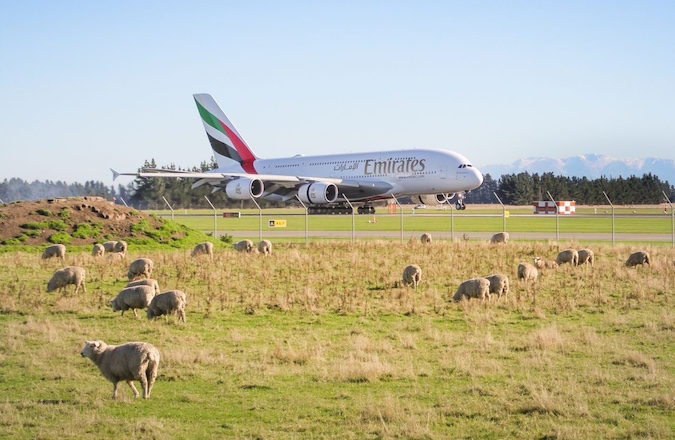
Image accreditation: Jarod Barton (May 2023) from Pexels. Last accessed on 16 November 2026. Available at: https://www.pexels.com/photo/airbus-a380-airliner-landing-in-new-zealand-16839810/
post contents
About the Author: Hannah Lucey