What Data Do Solar Glare Consultants Need Before They Can Model The Impact?
Last Updated: July 15, 2026
Share:
For any project involving solar panels, or any other potentially reflective surfaces such as glass, or metal façades, a glint and glare assessment may be requested by the local planning authority, or relevant stakeholders such as a nearby airport or railway authority (National Rail in the UK). Once a request for a glint and glare assessment comes in, what details will the consultant need to complete the assessment?
Key Information for Solar Developments
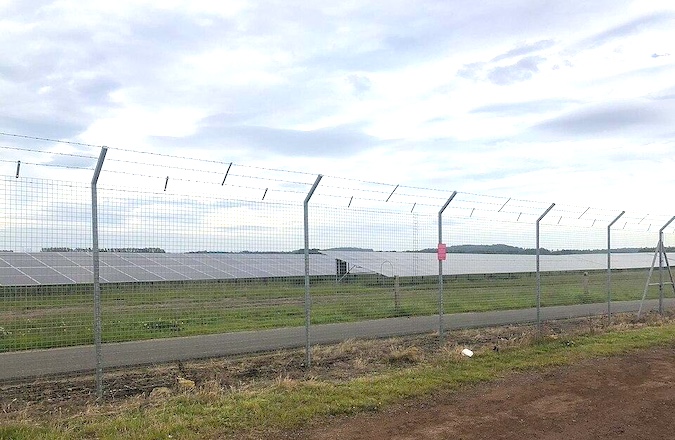
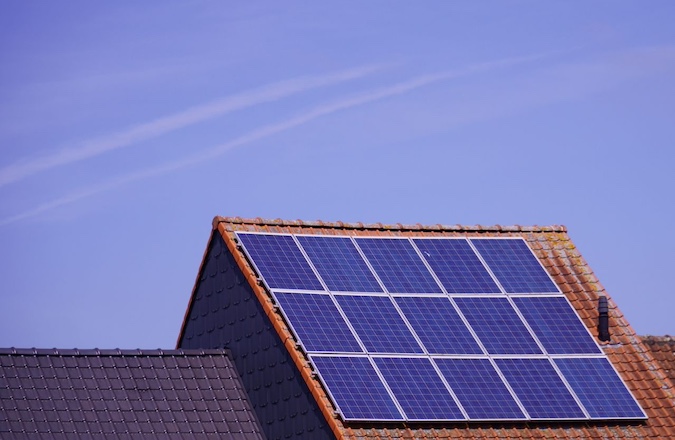
For fixed, ground-mounted, solar developments and rooftop solar developments, the required details are much the same, and include the following:
- Panel Layout/Rooftop Coverage
- Panel Elevation (degrees above the horizontal)
- Panel Azimuth (degrees away from true north)
- Panel Heights (minimum and maximum above ground level)
How the Data Is Used
The above details allow for the plotting of the reflective surface(s) in geometric space, which can then be used to model and predict when and where reflections of the sun will be produced when considering the position of the sun as it tracks through the sky day by day, and season to season. For single-axis tracking panels, the following additional details are required for assessment:
- Height of Axis (above ground level)
- Range of Motion (minimum and maximum tilt)
- Backtracking type (i.e. whether the panels backtrack to 0 degrees (flat), or similar)
Requirements for Building Developments
For vertical facades (building developments), the heights of the facades, and accurate layout drawings are all that is required. Details of building façade make up are also useful, for determining exactly where the windows are for example.
Information that is not required for detailed modelling, but can assist in analysing the potential impact of glare include landscape plans; details of existing screening (vegetation of fencing for example) or proposed screening can allow for the direct inclusion of said screening into the assessment. Details of the reflecting surface (particularly for building developments) such as the roughness of the surface, glossiness or texture can provide useful context as to the expected intensity/severity of modelled reflections.
Why Timing Matters
Although the required details to conduct a glint and glare assessment are relatively simple, any changes to design or specifications have the potential to significantly alter the glare scenario, therefore requiring re-runs and updates. As such it may be prudent to consider when exactly to commission a glint and glare assessment for your project, click here for our advice on this matter.
About Pager Power
Pager Power undertakes technical assessments for developers of renewable energy projects and tall buildings worldwide.
For more information about what we do, please get in touch.
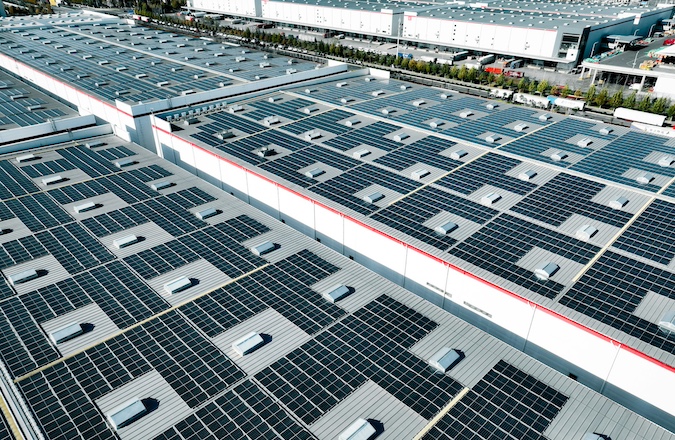
Image accreditation: Getty Images from Unsplash.com+. Last accessed on 27 July 2026. Available at: https://unsplash.com/photos/aerial-view-of-a-factory-with-rooftop-solar-power-sWqDCF4a06A
post contents
About the Author: Jacob Cunningham