Solar Panels and Permitted Development
Permitted development rights allow for certain improvements and alterations to be made without having to apply for planning permission. These can apply to residential households and to commercial properties.
One of the things that can be done under permitted development is installing solar panels with certain conditions, which differ for rooftop and ground-mounted panels.
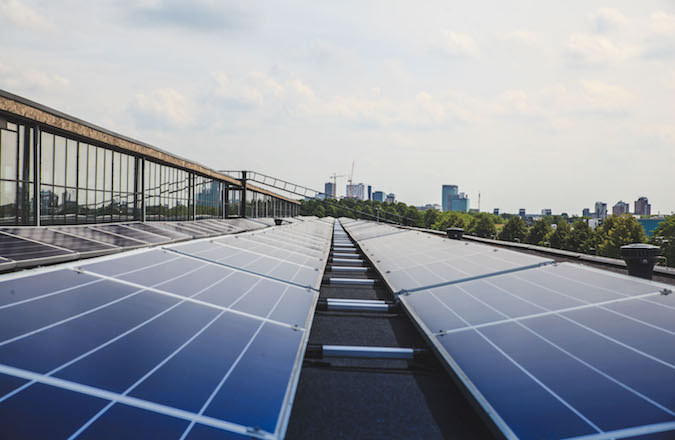
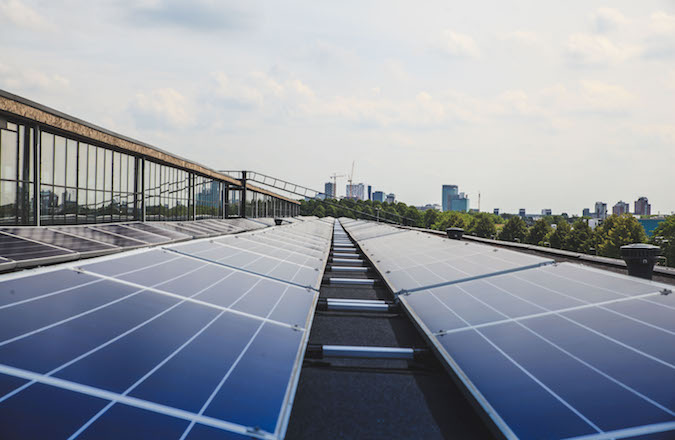
Figure 1: Rooftop Solar Development in Utrecht [1]
What are the conditions?
The following conditions apply to both rooftop and ground-mounted solar installation under permitted development in England[2]. These conditions apply to most domestic and commercial solar installations under 1 megawatt in generation.
- Panels should be sited to minimise the effect on the appearance of the building and on the amenity of the area;
- When no longer required, panels should be removed as soon as reasonably practicable.
The following conditions apply to rooftop solar developments:
- Panels should not protrude more than 0.2m beyond the plane of the roof slope;
- Panels cannot be higher than the highest existing part of the roof (excluding chimneys).
The following conditions apply to ground-mounted solar developments:
- The panels must be no taller than 4m and no larger than 9 square metres;
- The installation must be at least 5m from the boundary;
- Only one installation is permitted.
Additional conditions may apply to solar developments within a conservation area or relating to listed buildings.
Are Glint and Glare Assessments Required for Rooftop Solar Developments?
For commercial rooftop solar developments, developers must “apply to the local planning authority for a determination as to whether the prior approval of the authority will be required as to the design or external appearance of the development, in particular the impact of glare on occupiers of neighbouring land”[3]. This means that the Local Planning Authority may request a glint and glare assessment for installations less than 1 megawatt, if they believe glint and glare may be a concern.
Developments over 1 megawatt require a full planning application, and a glint and glare assessment is likely to be required as part of this.
If you are working on a project which requires a glint and glare assessment, or are unsure about whether one might be required, click here to get in touch.
Pager Power have produced our own glint and glare guidance for how to assess and classify the effects of solar reflections, which is now on its fourth edition. Click here to find out more.
References:
[1] Jeroen van de Water (April, 2021) from Unsplash. Accessed on: 30th May 2023. Available at: https://images.unsplash.com/photo-1617269778723-73a40cf299bd?ixlib=rb-4.0.3&ixid=M3wxMjA3fDB8MHxwaG90by1wYWdlfHx8fGVufDB8fHx8fA%3D%3D .
[2] Town and Country Planning Order 2015 (General Permitted Development) (England), Section 2 Part 14
[3] Ibid, J.4(2)
post contents
About the Author: James Plumb

Latest News
US Continues to Build Out Solar Capacity
Earlier this month, the Solar Energy Industries Association (SEIA) released [...]

China’s Airborne Wind Turbines
In early 2026, China successfully developed an airborne wind turbine [...]
Shadow Flicker Assessments for Wind Turbines: A 2026 Update
Shadow flicker is the effect of rotating turbine blades, causing [...]