Photoelectrochemical Cells
Part of the problem with trying to further renewable energy, is trying to eliminate the waste products and removing the need to use up our planets limited resources. This includes things such as Lithium for batteries to store solar power and the difficulty in trying to recycle solar panels when they have reached the end of their life cycle.
Rice University (Houston, Texas) engineers have now discovered a way to use sunlight to extract hydrogen from water with record-breaking efficiency thanks to a device that can achieve this in a single, durable, cost-effective, and scalable device.
Photoreactors
A photoreactor is a chemical reactor device which brings photons, a photocatalyst, and reactants into contact, as well as collects the reaction products deriving from physicochemical transformations. The lab of chemical and biomolecular engineer Aditya Mohite built the integrated photoreactor using an anticorrosion barrier that insulates the semiconductor from water without impeding the transfer of electrons.[1]
The device is known as a photoelectrochemical cell because the absorption of light, its conversion into electricity and the use of the electricity to power a chemical reaction all occur in the same device.
Austin Fehr, a chemical and biomolecular engineering doctoral student and one of the study’s lead authors said, “Our goal is to build economically feasible platforms that can generate solar-derived fuels. Here, we designed a system that absorbs light and completes electrochemical water-splitting chemistry on its surface.” [2]
To put it in an easier way to understand, they have created a device by turning their highly competitive solar cell into a reactor that could use energy harvested from the sun by solar to split water into oxygen and hydrogen.
Hydrogen
This then means that the engineers at Rice have found a green way to create hydrogen, which could be used in future to fuel vehicles, homes, and businesses, without creating any harmful waste products. They are still a long way from being able to mass produce this and more research into hydrogen is needed. It could also raise a lot of questions we might not yet have the answers to, such as:
- Is it viable to mass produce this device to produce hydrogen for everyone?
- How to mass produce hydrogen safely and economically
- How to store mass produced hydrogen
- How much solar would be required to harvest the suns energy to allow the device to work all the time?
- Is there a shelf life of hydrogen?
- Could this energy be used to power homes, businesses, vehicles, the future?
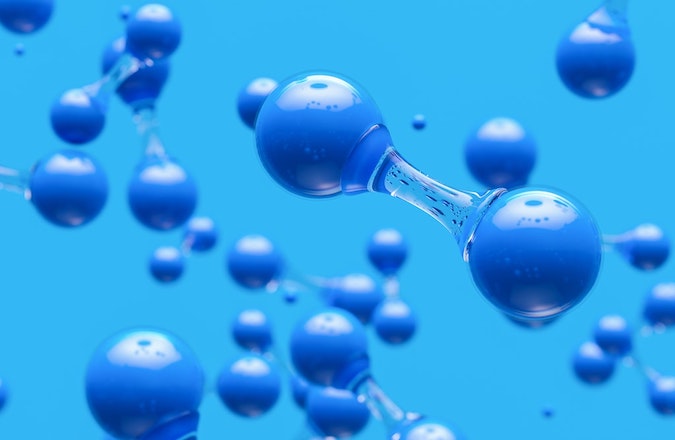
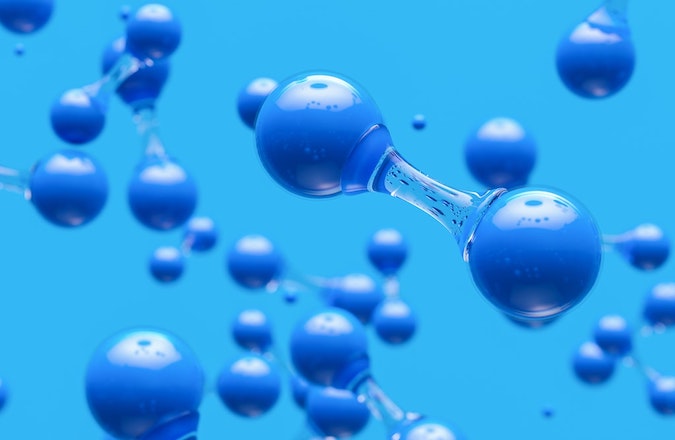
Figure 1: Image of Hydrogen molecules. [3]
The challenge that the engineers at Rice University and other engineers looking to resolve, is that they’ve had to overcome the fact that *halide perovskites are extremely unstable in water and coatings used to insulate the semiconductors ended up either disrupting their function or damaging them. However, the Rice engineers have overcome this after many trials, rethinking and redesigning and have finally come up with a winning solution.
“With further improvements to stability and scale, this technology could open up the hydrogen economy and change the way humans make things from fossil fuel to solar fuel,” Fehr added. [4]
If we can figure out a way to mass produce this to create clean hydrogen for everyone, this could be the most ecofriendly way to cut out fossil fuels and power most things with minimal waste products.
* Halide perovskites have recently emerged as a unique class of outstanding photosensitive semiconductors. They are promising materials for low-cost, high-efficiency solar cells. [5]
About Pager Power
Pager Power undertakes technical assessments for developers of renewable energy projects and tall buildings worldwide. For more information about what we do, please get in touch.
References
[1] [2] [4] https://www.sciencedaily.com/releases/2023
[5] https://www.nature.com/articles/perovskites
[3] Image of Hydrogen molecules, accessed on 14/08/2023 through Pexels.com. Photo credit to Rafael Classen rcphotostock.com. https://www.pexels.com/photo/hydrogen-molecules-against-blue-background-10670941/
post contents
About the Author: Georgia Low

Latest News

US Continues to Build Out Solar Capacity
Earlier this month, the Solar Energy Industries Association (SEIA) released [...]

China’s Airborne Wind Turbines
In early 2026, China successfully developed an airborne wind turbine [...]

Shadow Flicker Assessments for Wind Turbines: A 2026 Update
Shadow flicker is the effect of rotating turbine blades, causing [...]